Littleton's Free Storm Damage Inspection Specialists
Free hail inspections for Littleton roofs
Find out whether the last Front Range storm left claim-worthy damage before the evidence ages.
Littleton's Free Storm Damage Inspection Specialists
Find out whether the last Front Range storm left claim-worthy damage before the evidence ages.
After a Littleton hailstorm, the first inspection should answer a practical question: is there functional damage worth documenting for insurance? The contractor checks shingles by roof slope, looks for bruised asphalt matting, verifies granule loss patterns, and compares damage against the likely storm direction.
The inspection also covers soft metals and exterior clues. Dented gutters, downspouts, ridge vents, turtle vents, chimney caps, flashing, and window screens can help show that hail hit the property with enough force to damage the roof system.
Storm date matters in Colorado. Carriers can compare your claim with hail reports, radar data, and storm logs, so the inspection should tie visible damage to a plausible event within the 2-year claim window.
A free inspection does not obligate you to replace the roof. It gives you a documented read before you open a claim, meet an adjuster, or accept that a roof is fine because it is not leaking yet.
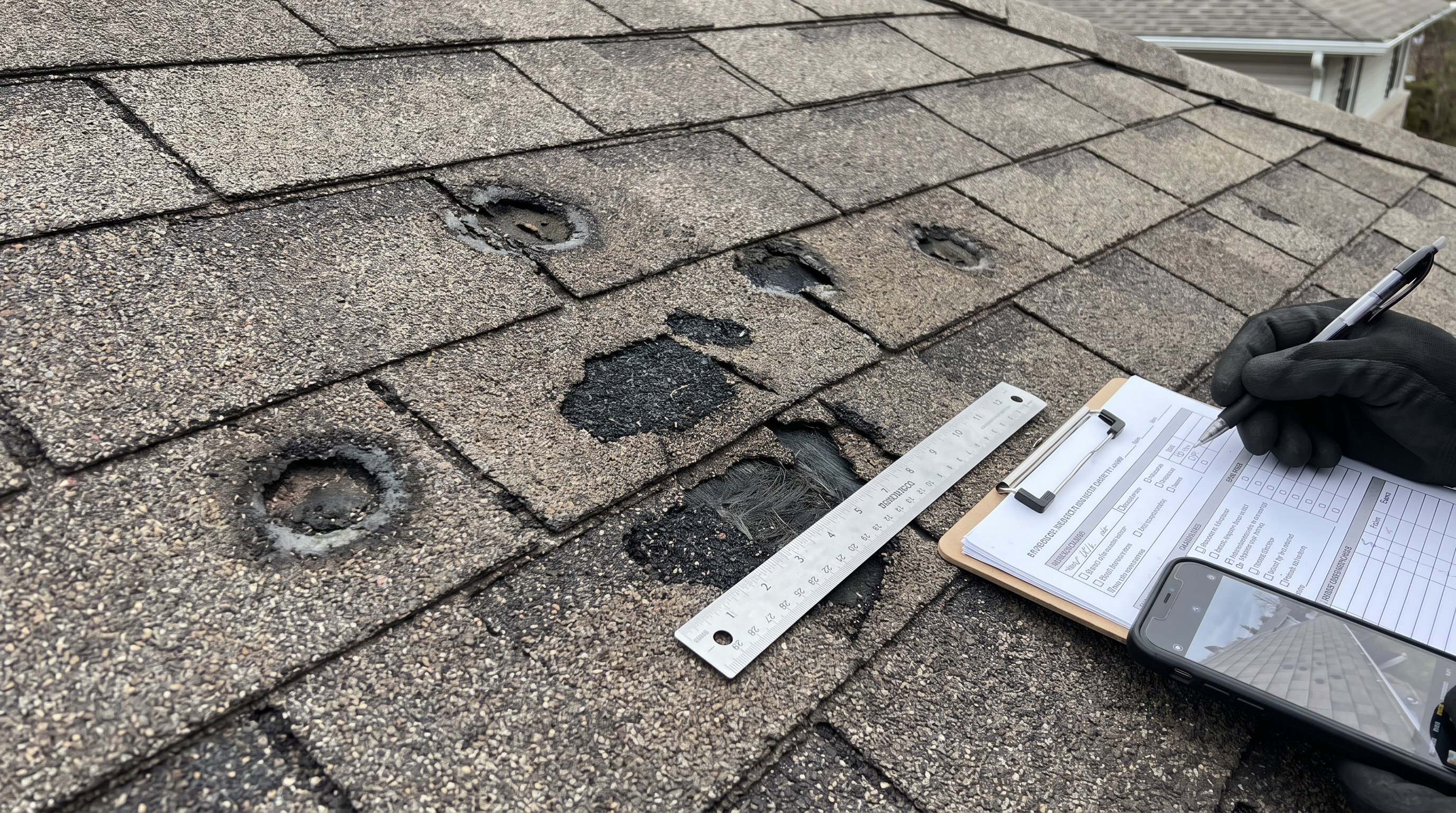
The inspection creates a damage record for the roof and related exterior components before any claim or repair decision is made.
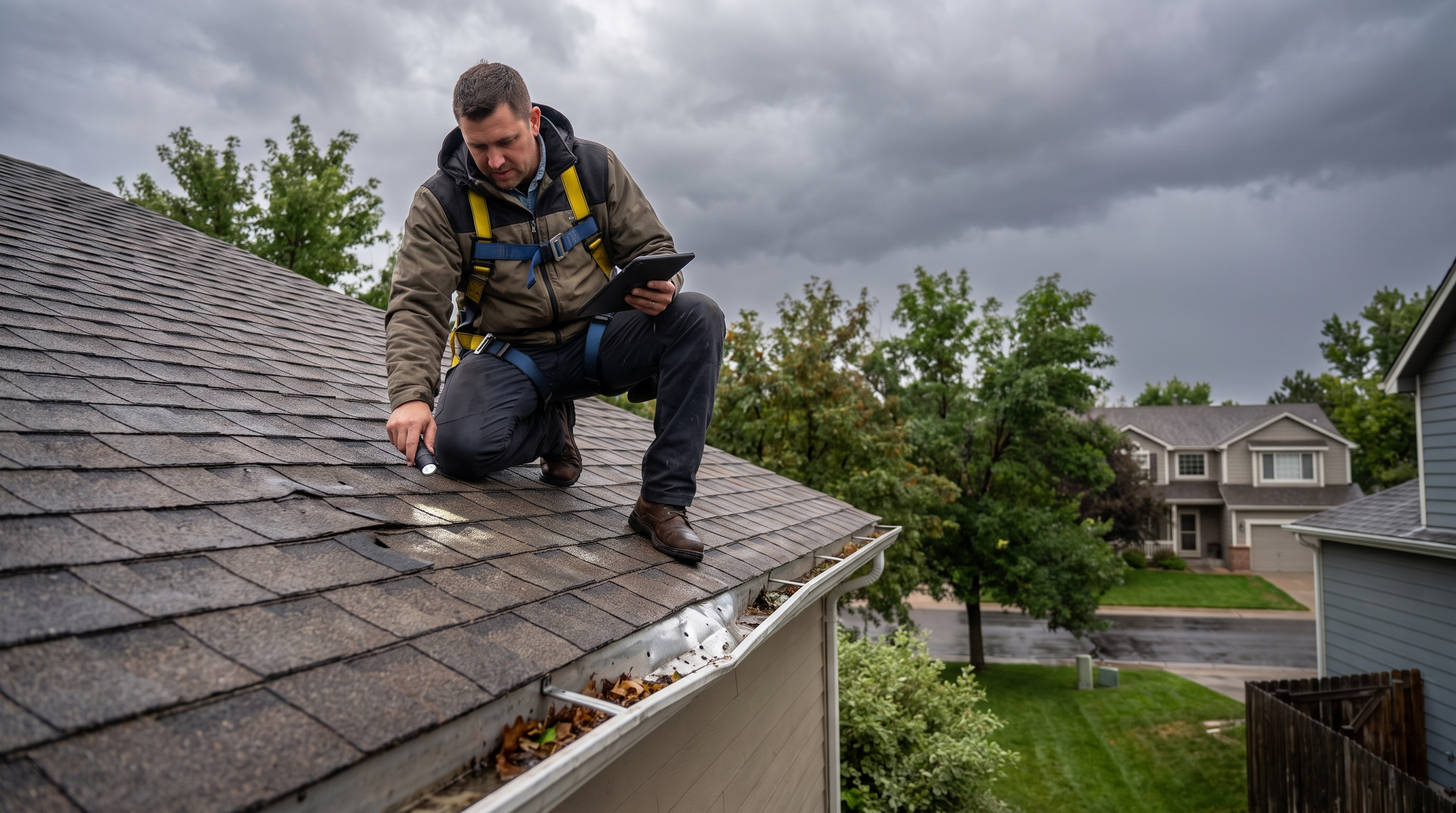
Each accessible roof face is checked for bruising, fractures, granule loss, exposed matting, and impact density. The contractor notes whether damage is concentrated on the windward slopes or spread across the roof.
Gutters, downspouts, vents, caps, flashing, and other metal pieces are inspected for dents. These components often preserve clear hail evidence even when shingle damage is harder to see.
Photos are taken of roof impacts, metal dents, surrounding exterior damage, and any interior leak signs. This record helps the homeowner decide whether a claim is justified.
Contractors document storm date clues, impact direction, shingle condition, and metal damage in the format carriers expect to review after a Littleton hail event.
The purpose is to confirm damage first. If the roof does not show enough functional hail impact, you should know that before filing paperwork with your carrier.
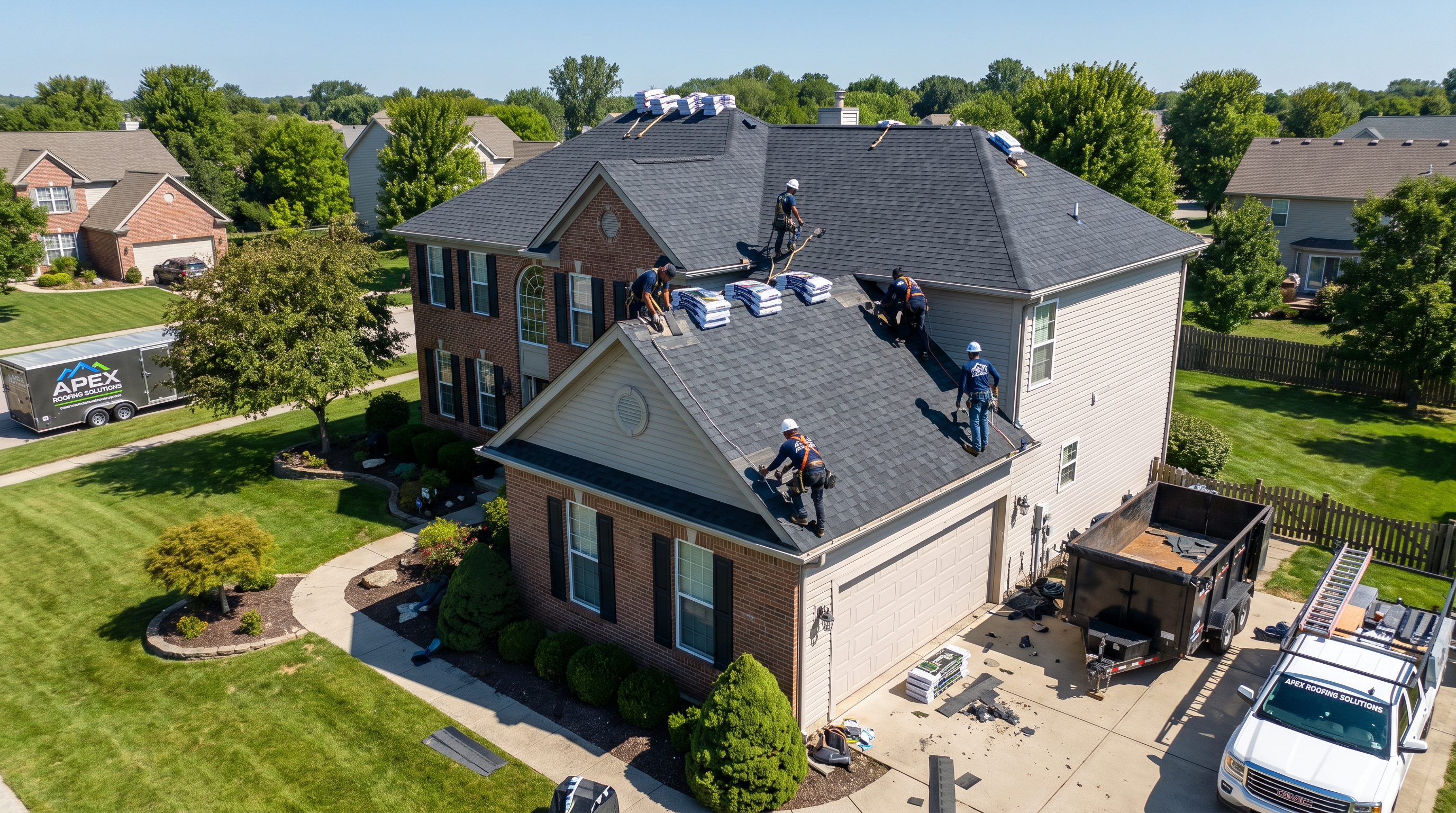
Schedule the inspection before summer hail damage gets harder to separate from normal wear.
Free — no obligations
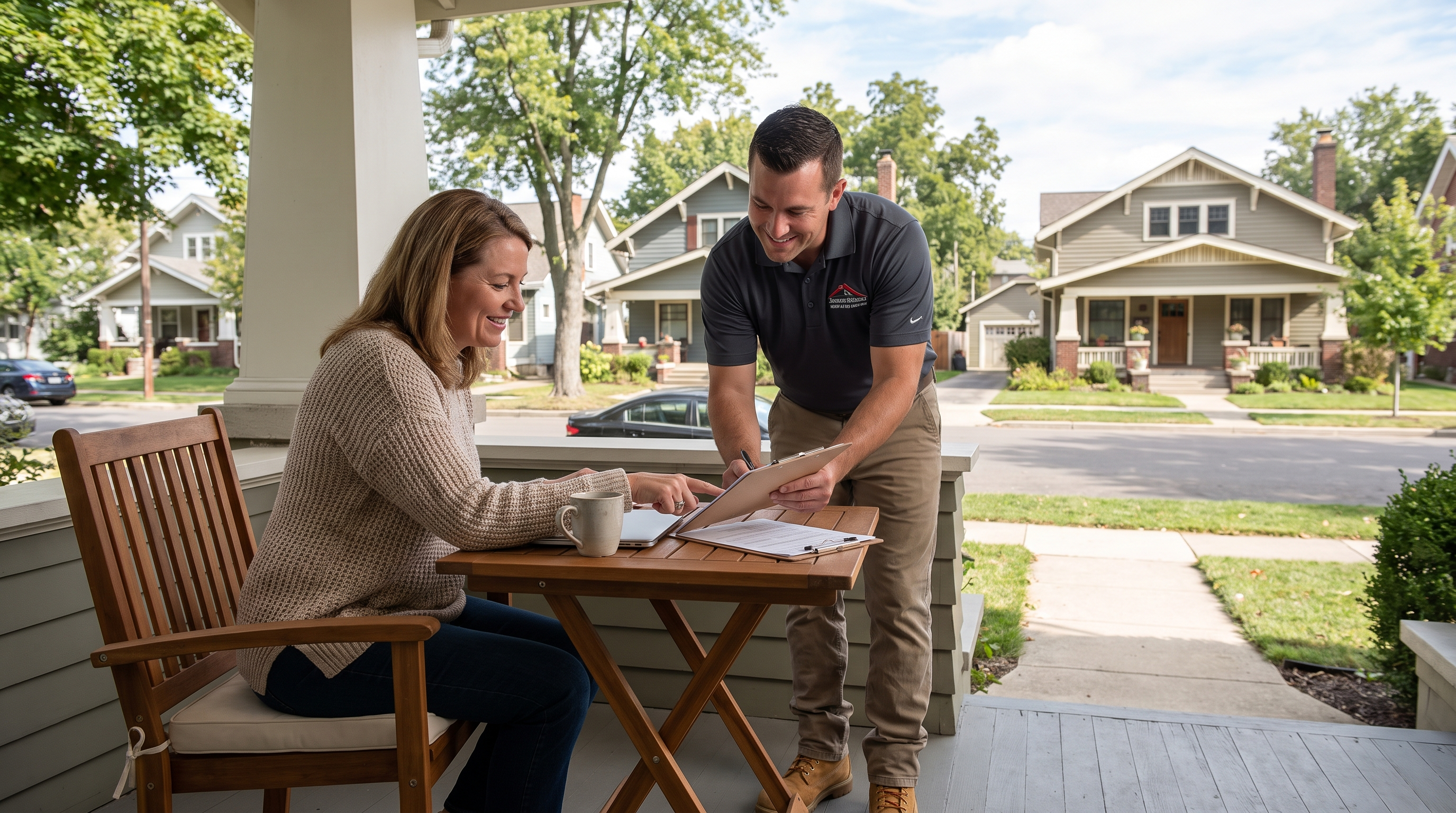
The contractor asks when hail hit, what size was reported, and whether neighbors have filed claims or received roof approvals.
Gutters, siding, screens, vents, fascia, and ground-level evidence are checked before the roof inspection starts.
Accessible slopes are inspected for hail bruising, granule displacement, broken tabs, ridge damage, and impact density.
The homeowner receives a plain explanation of whether the damage appears claim-worthy and what the next insurance step would involve.